

AI, Advertising, and the Right of Publicity: New York’s New Digital Likeness Laws
by Jeffrey Blankstein and Katie Bigley
Artificial Intelligence (AI) has rapidly transformed the digital landscape, making it easier to search for information, create computer-generated images (CGI), and produce increasingly realistic digital representations of people. As these technologies become more accessible, however, they raise new legal questions about how individuals’ identities and likenesses can be used. Because AI remains a relatively new technology, legislatures are still determining how best to address these emerging issues and regulate its use.
The entertainment industry has been particularly affected. AI-generated voices, computer-generated images, and advertisements now run that create remarkably realistic representations of people, sometimes making it difficult to determine whether an actor or image is real or digitally generated.
In the absence of comprehensive federal guidelines and legislation, New York has begun addressing some of these concerns. Governor Kathy Hochul recently signed two laws addressing the use of AI-generated images and likenesses, both of which took effect in June. One of the laws focuses on the use of AI-generated representations of individuals, while the other addresses the use of a celebrity’s likeness after death. Together, the laws aim to increase public awareness of digitally-generated content and protect individuals and their families from the unauthorized use of digital likenesses. Overall, these laws are part of a growing effort to provide clearer protections as AI technology is making it increasingly easy to create realistic digital versions of people.
The new legislation of S.8420-A/A.8887-B requires advertisements to “conspicuously disclose” the use of a synthetic performer and imposes a $1,000 civil penalty for a first violation and a $5,000 penalty for any subsequent violation. A synthetic performer is defined as a digital asset created, reproduced, or modified by a computer using AI and that is intended to give the impression of a human performer. This legislation applies to any use of synthetic performers in advertisements distributed to New York audiences, regardless of whether the advertiser is located outside the state. Although transparency with consumers may seem like an obvious solution in an increasingly AI-saturated marketplace, the phrase “conspicuous disclosure” is unclear as to what specific standards must be met, such as language, placement, size, etc.
This ambiguity creates compliance challenges and certainly complicates enforcement of the related penalties. The legislation provides a few exemptions from the disclosure requirement: (a) advertisements or promotional materials in expressive works, such as motion pictures, documentaries, and television programs, provided that the synthetic performer is already present within the underlying work; (b) audio-only advertisements; and (c) advertisements in which AI is used solely for translations. Similarly, California is considering legislation, which has not been enacted, SB 1050 (2026), that would require advertisers to disclose when synthetic performers are used in advertisements. Unlike New York, this law in California would have a clear definition of conspicuous disclosure and guidelines.
The second law, S.8391/A.8882, which was signed, amends New York’s Civil Rights Law. Under existing Sections 50 and 51, only living individuals could bring a claim for the unauthorized commercial use of their name, portrait, picture, voice, or likeness. These rights ended upon the individual’s death, leaving their heirs without the same legal protections. In general, before the enactment of this new law, publicity rights did not survive death.
The new law expands these protections by adding deceased personalities and performers to the protected class. As a result, the law provides greater protection against the unauthorized commercial use of a deceased person’s name, image, voice, or likeness, including digitally or AI-generated representations. The law covers individuals who, at the time of their death, were domiciled in New York, and were regularly engaged in acting, singing, dancing, or playing a musical instrument “for gain or livelihood.”
Under the new law, “any person who uses a deceased personality’s name, voice, signature, photograph, or likeness, in any manner, on or in products, merchandise, or goods, or for purposes of advertising or selling, or soliciting purchases of, products, merchandise, goods, or services, without prior consent,” will be liable for damages. Violations of the new law include the unauthorized use of a deceased person’s “digital replica,” which is defined as a newly created, computer generated, highly realistic electronic representation that is readily identifiable as the voice or individual’s likeness of an individual in sound recordings, images, and audiovisual work.
Like the first law, there are exceptions. There are several exceptions, but some of these include works of parody or satire, use in news or public affairs, use in documentaries, among others. If there is a violation of this statute, a court could award compensatory damages and potential profits and punitive damages.
Together these two laws address different sides of the same technological issue emerging in the consumer marketplace of AI disclosure. As marketing budgets continue to shrink, advertising agencies will need to remain cognizant of laws in major advertising markets, such as New York, to ensure compliance, avoid civil penalties, and stay up to date with evolving legal requirements. Similarly, the entertainment industry will need to adapt to these new laws, since deceased individuals’ likenesses have become popular lately. For example, several actors have appeared digitally in movies after their deaths (such as Val Kilmer), and several musical artists are using the voice and likeness of deceased individuals on tour (Tupac Shakur, Roy Orbison, and Rod Stewart, using Ozzy Osbourne’s image). Thus, while these laws provide greater protections for individuals and their likenesses, they also signal that AI-related publicity rights will continue to develop as the technology becomes more prevalent.
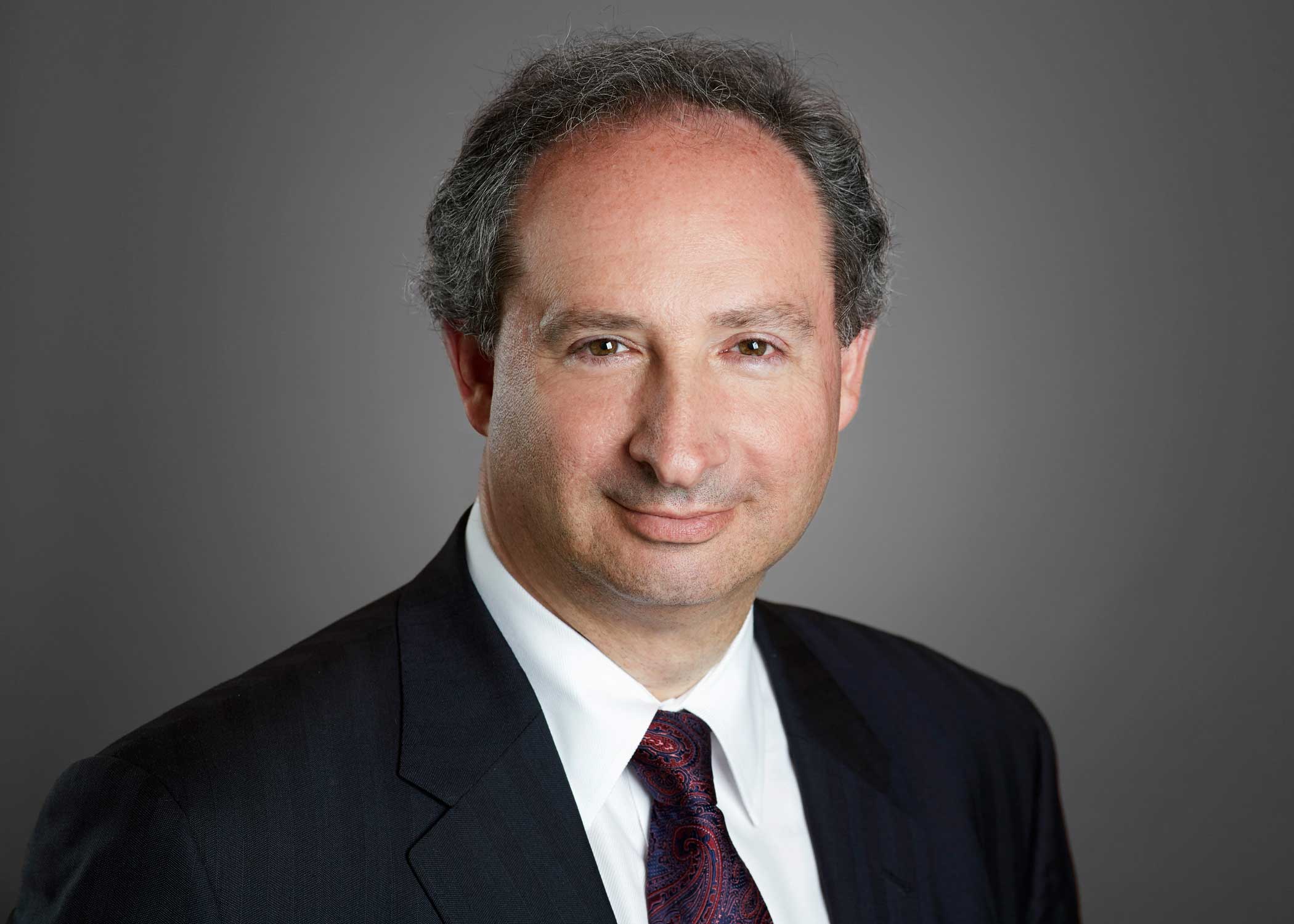 This article is intended as a general discussion of these issues only and is not to be considered legal advice or relied upon. For more information, please contact Jeffrey Blankstein who counsels clients on estate and retirement planning, individual taxation, real estate and litigation. Mr. Blankstein is admitted to practice law in New York.