
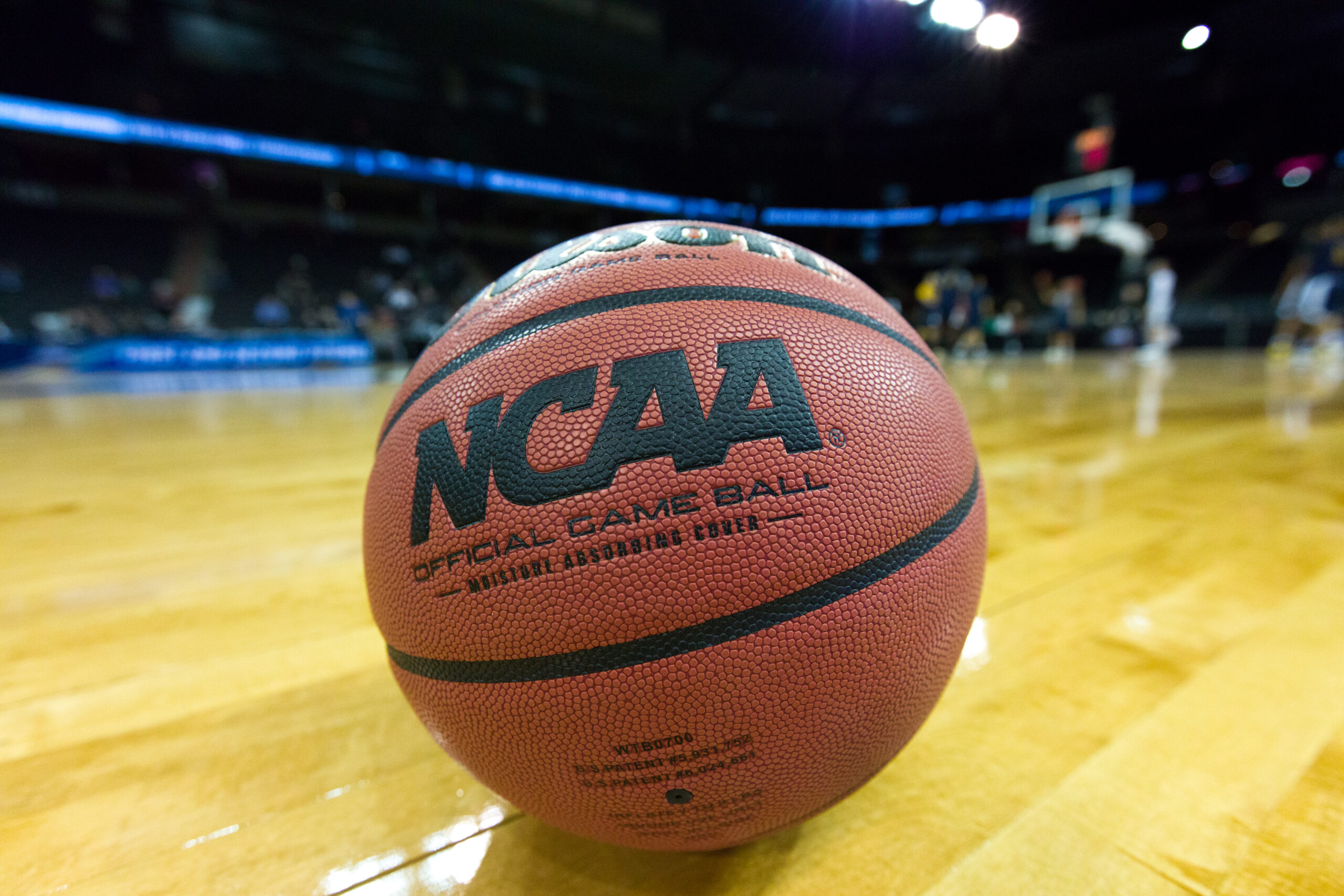
NCAA Adopts Age-Based Eligibility Model Amid Growing NIL Litigation
By Tyla A. Swinton
As name, image, and likeness (“NIL”) related litigation continues to rise, the National Collegiate Athletic Association (“NCAA”) has sought to restore a sense of order and streamline sport-specific eligibility guidance that, according to NCAA President Charlie Baker, was “difficult to administer.”[1] On June 23, 2026, the NCAA Division I Cabinet (the “Cabinet”) unanimously voted to adopt a single age-based eligibility model and a transition plan to eliminate the troublesome waiver process. [2] The NCAA plans to fully implement these changes for the Fall 2027 incoming class. The new age-based eligibility model comes on the heels of President Trump’s Executive Order 14400 (the “Order”), also known as the Urgent National Action to Save College Sports.[3] Though focusing mostly on college football and basketball as examples of high-grossing sports in need of a “national solution to protect the future of competition,” embedded in the Order is a call to establish, among other things, an age-based eligibility limit of no more than five years, with limited exceptions.[4]
The new eligibility model has not only imposed immediate compliance obligations, but has also resulted in litigation – contrary to the NCAA’s goal to curb future claims.
Age-Based Eligibility Model
In a deviation from prior practice, the new eligibility model no longer depends on sport or season count. Rather, eligibility depends on age. There are four key takeaways from the new model:
- Student-athletes are now permitted to compete for five years beginning at enrollment, or the academic year after they turn nineteen (19), whichever comes first.
- Limited exceptions remain for delayed or paused eligibility.
- Redshirt seasons for Division I student-athletes are officially eliminated.[5]
- Most notably, injuries are no longer grounds for eligibility extensions.
Exceptions
The Cabinet reviewed and defined permissible exceptions that could delay or pause an individual’s period of eligibility under the new age-based rule, including pregnancy, active-duty military service, and official religious missions.
According to the Cabinet, these exceptions will only be available to student-athletes who do not participate in organized competition for the duration of the applicable exception. In addition, as another attempt to provide clarity and consistency in Division I athletics, the NCAA Eligibility Center will be responsible for administering the use of such exceptions.
Implementation
The Cabinet provided guidance for currently enrolled student-athletes and future enrollees based on their academic year:
- Student-athletes who used their final season of competition under previous rules have no additional eligibility.
- Current student-athletes with eligibility remaining under the previous rules after the 2025-26 academic year and prospects who initially enroll full-time at any college or university during the 2026-27 academic year may use either the previous rules or the new age-based model, whichever is more beneficial to the student-athlete.
- Prospects who initially enroll full-time at any college or university in Fall 2027 or later must abide by the age-based model only.
Waivers No Longer Available
Clock extensions and waivers that were previously granted to student-athletes will no longer be available under the age-based eligibility model. For example, waivers that were granted under the prior rules for hardships, delayed enrollment, and seasons of competition, like redshirt seasons, are now obsolete.
The Cabinet made clear that schools with any current student-athletes that have eligibility remaining under the previous rules must submit all season-of-competition or eligibility clock extension waiver requests arising from circumstances that occurred during or before the 2025-26 academic year, along with supporting documentation, to the national office of the NCAA by July 31, 2026.
Legal Ramifications
Less than 24 hours after the Cabinet’s unanimous decision, fifteen (15) college basketball players —all members of the high school class of 2022— filed suit in an Ohio state court asserting that the new rule unfairly denies them the opportunity for further competition. In their lawsuit, the complainants seek an injunction to allow athletes who (1) graduated from high school in 2022 and began their college sports careers that same year in the Fall and (2) were never redshirted a fifth year of competition.[6] The athletes noted in their Complaint that the new age-based rule unjustifiably restrains their ability to earn money through use of their NIL connected to their Division I athletic participation.[7] The Complaint further asserts that Class of 2022 athletes had to compete for playing time against older athletes whose eligibility was extended because of the COVID-19 pandemic.
In response, the Cabinet argued, “Giving those student-athletes another season would destabilize rosters just ahead of the coming season by disrupting settled expectations of countless student-athletes regarding their expected roster spots and playing time next year, including incoming freshmen who are eager to participate in the life-changing experience of college athletics.”[8] The Cabinet has no intentions of retracting its decision because, among other downstream effects, incoming athletes and their spots on college and university rosters must be protected.
Since 2024, the NCAA has faced a constant flow of antitrust lawsuits, alleging that eligibility bylaws unlawfully restrict student-athlete earning opportunities, specifically the use of their NIL. Federal and state courts alike have issued conflicting rulings, further pushing the NCAA to administer a uniform model.
Though the NCAA has attempted to end its purportedly complex and legally vulnerable system with a more practical age-based framework, the transition is unlikely to be without scrutiny. As student-athletes, schools, and courts evaluate the impact of the new model, the NCAA’s effort to create uniformity may face additional legal challenges, particularly where eligibility rules intersect with NIL opportunities and athlete compensation.
Colleges and universities should consult legal counsel for assistance with monitoring developments, assessing legal challenges and risks, and developing appropriate compliance strategies.
[1] Meghan Durham Wright, Division I Adopts Age-Based Eligibility Model, NCAA (June 23, 2026), https://www.ncaa.org/division-i-adopts-age-based-eligibility-model/
[2] Id.
[3] Urgent National Action To Save College Sports, Exec. Order No. 14,400 (Apr. 3, 2026), White House, https://www.whitehouse.gov/presidential-actions/2026/04/urgent-national-action-to-save-college-sports/
[4] Id.
[5] “Redshirt” is a term given to a college athlete, typically in their freshman year, who sits out of official competition and only participates in team activities to preserve one of their four seasons of eligibility and, thus, lengthen their period of eligibility.
[6] Complaint, Borovicanin v. Nat’l Collegiate Athletic Ass’n, No. A2603352 (Ohio Ct. Com. Pl. Hamilton Cnty. June 24, 2026), https://www.courthousenews.com/wp-content/uploads/2026/06/hamilton-co-common-pleas-ncaa-five-year-rule-lawsuit.pdf
[7] Id.
[8] Suit Alleges New NCAA Rule Unfair to High School Class of ’22, ESPN (June 24, 2026), https://www.espn.com/college-sports/story/_/id/49169049/suit-alleges-new-ncaa-rule-unfair-high-school-class-2022
This article is intended as a general discussion of these issues only and is not to be considered legal advice or relied upon. For more information, please contact RPJ Associate Tyla A. Swinton who counsels clients on employment, workplace investigations, compliance counseling, litigation strategy, and diversity and inclusion initiatives. Ms. Swinton is admitted to practice law in New York.